
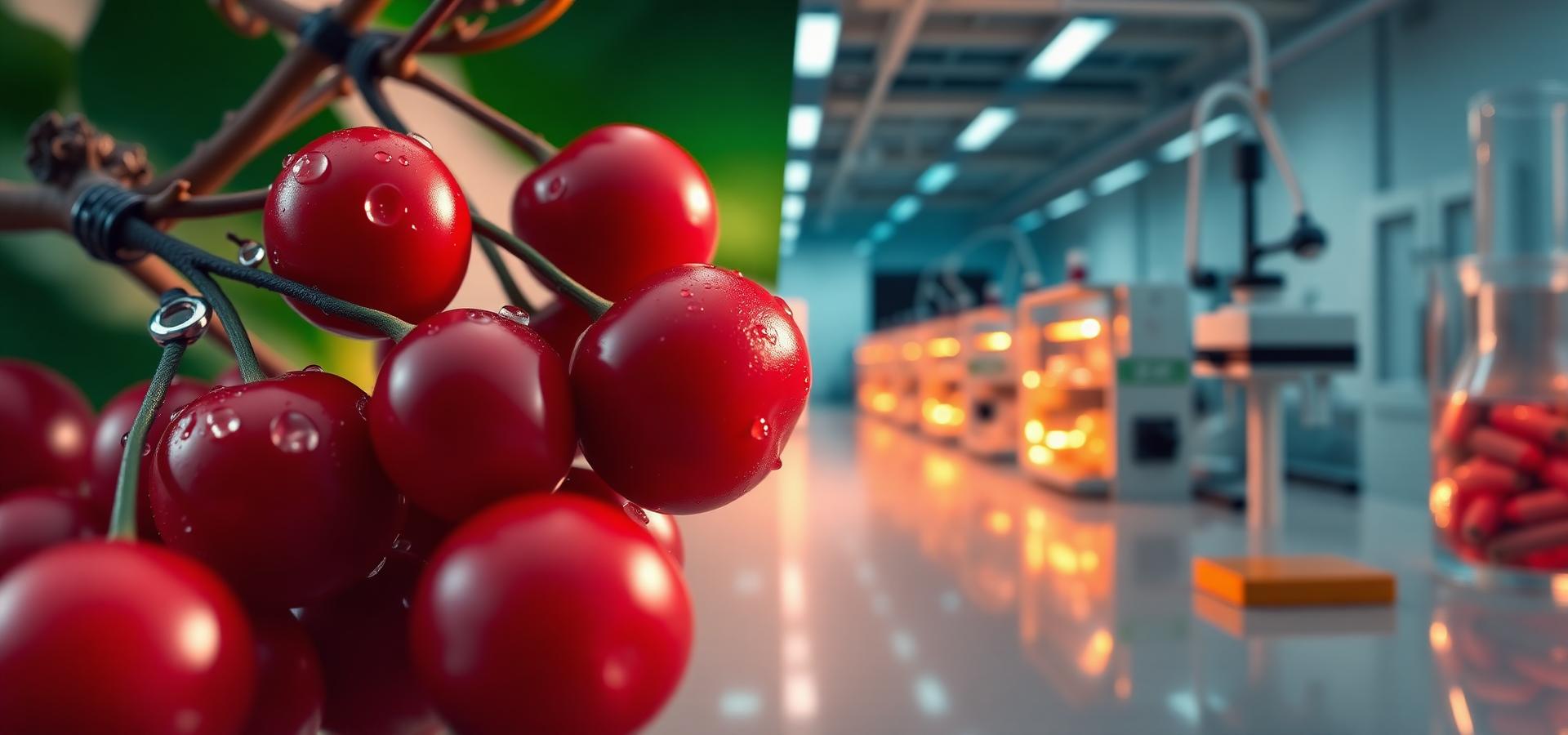
Gut and Microbiome Research
Gut MicrobiomePolyphenolsDietary Fiber
Your Trusted Source For Cranberry Wellness
Cranberries contain polyphenols, proanthocyanidins, anthocyanins, flavonoids, organic acids, fiber and other naturally occurring components. Researchers have studied different cranberry foods, beverages, powders and extracts for several areas of health. Results cannot be assumed to apply across all cranberry materials or finished products.
Explore by Topic
Cranberry Compounds and Oral Bacteria
Laboratory studies have examined how selected cranberry compounds interact with oral bacteria and biofilm formation. A small number of human studies have evaluated specific cranberry rinses or beverages.
These findings do not establish that cranberry products affect oral health outcomes.
Cranberry products do not replace brushing with fluoride toothpaste, interdental cleaning or professional dental care.
Educational information only. Cranberry products are not intended to diagnose, treat, cure or prevent any disease.
This page summarizes published research for general educational purposes. Study findings depend on the cranberry material, dose, formulation, population and outcome studied. The research described here does not establish that every cranberry product, CRANOVA ingredient or Planet Cranberry finished product will produce the same result. This information is not medical advice and does not replace care from a qualified healthcare professional.
These statements have not been evaluated by the Food and Drug Administration. This product is not intended to diagnose, treat, cure, or prevent any disease.
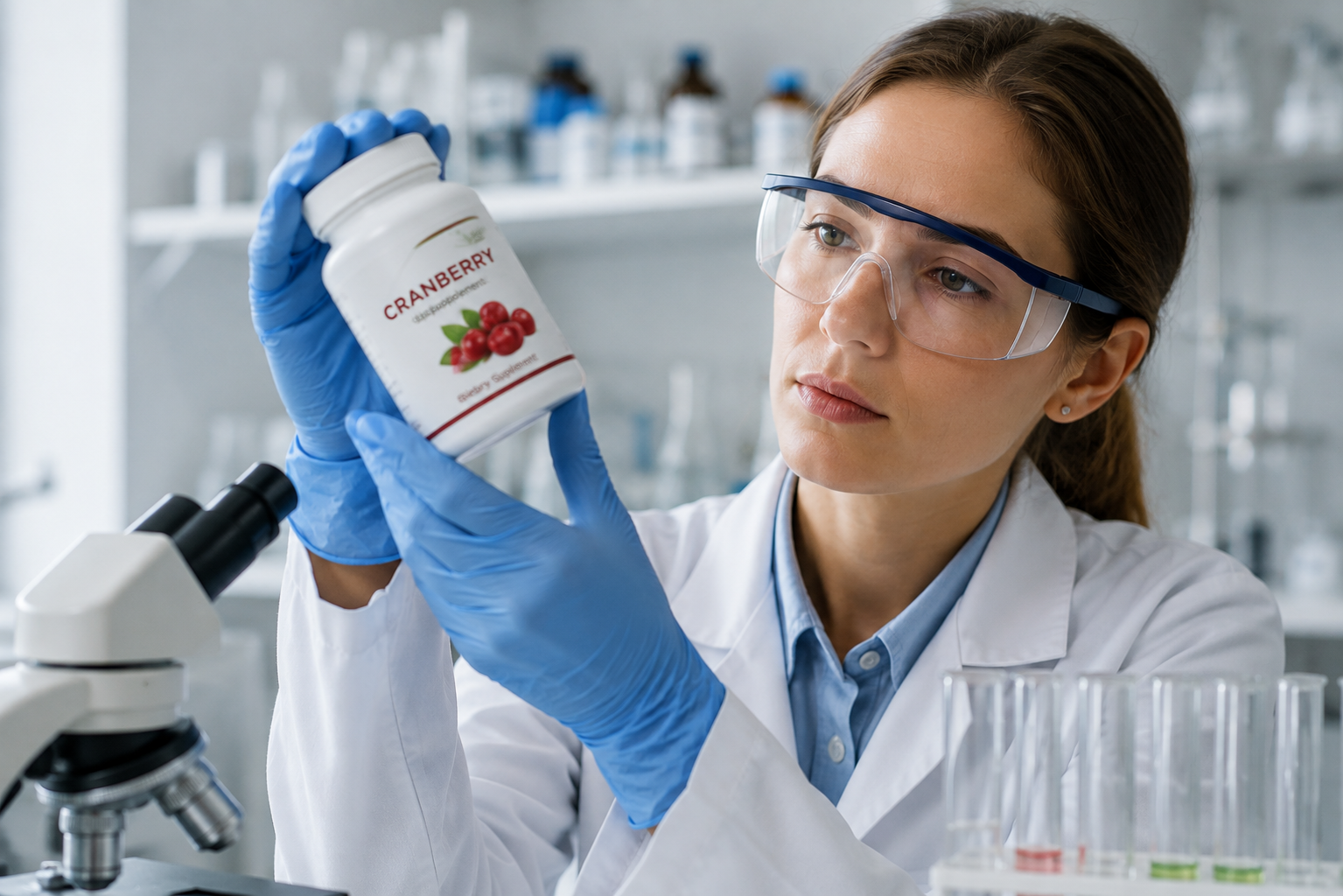
Science Meets Nature
Individual ingredients have been studied. Product-specific evidence and the strength of the overall research determine which claims may be made for each finished formula.